If you have asked "How does live chat work?", this guide walks through the widget visitors see, the inbox your team uses, and the setup steps that make replies fast and useful.
Quick answer: live chat adds a website widget so visitors type questions and agents (or bots with human handoff) reply in real time from a shared inbox, often with chat history, routing rules, and CRM context. For definitions and buying criteria, start with what is live chat and our best live chat software list; for speed targets, see live chat response time.
Making chat work is more than pasting a script on the site. You need coverage rules, trained agents, and a clear path from bot to human when the question is complex.
What Is Live Chat?
A live chat is software you install on your website. It usually appears as a small box in the corner of the page. The visitor clicks it to type a question and talks in real time with someone on your team — or with a bot that can escalate.
You can also send a proactive invitation so the window opens when a visitor hits a key page (pricing, checkout, product).
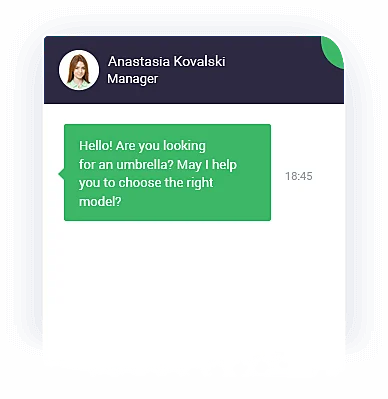 How does live chat work
Strong platforms let you personalize invitations by location, return visits, or time on page. The support or sales team works from a live chat dashboard that lists open chats, history, and often other channels in the same inbox. Routing rules can send a message to the right department based on keywords or page URL.
That routing keeps work organized, improves productivity, and shortens the path to a useful answer.
How Does Live Chat Work?
When people ask “how does a live chat work?”, the flow is simpler than it sounds. The chat code is embedded on your site (or installed via plugin). The widget then appears on the pages you choose.
Many tools, including JivoChat, let you match widget design and greeting copy to your brand. You can set multiple messages and triggers for when the chat should appear.
Your team installs the desktop or mobile app (or uses the browser inbox) to monitor chats. You can connect CRM tools, Facebook, Instagram, WhatsApp, and email so conversations stay in one place and customer profiles build from every touch.
When a visitor sends a message, agents get a notification and see prior interactions with that person.
What website visitors can see and do:
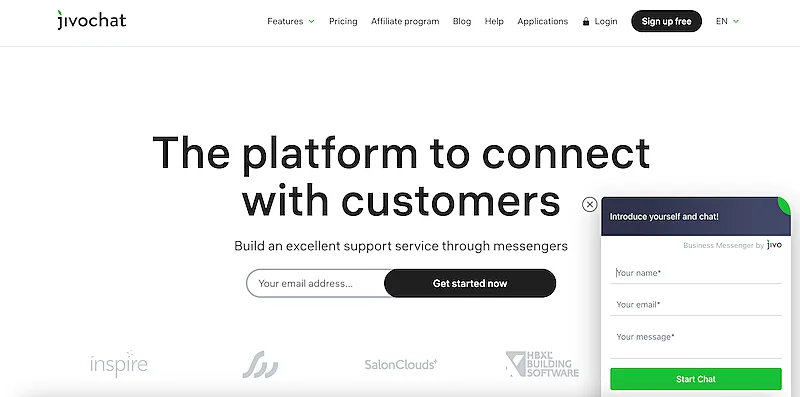 How does live chat work - widget
- Pop-up window
- Current live chat conversation
- Send messages
- Attach files
What your team can see and do:
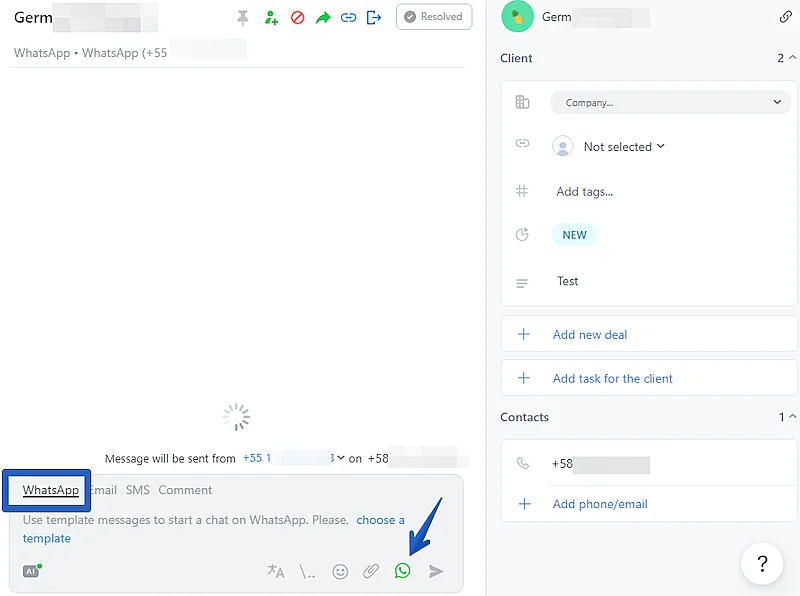 How does live chat work - dashboard
- Previous customer interactions
- Analytics dashboards
- Chat transcripts
- Canned responses
- Redirect / transfer chats
- Ban abusive users
- View typing indicators
- Ask for feedback after the chat
Modern stack: bots, AI assist, and human handoff
Today’s live chat rarely means “only humans typing.” Many teams start with canned replies or an AI bot for FAQs, then escalate to an agent with the full transcript. That hybrid model protects response time without leaving hard cases stuck in a loop. Pair it with proactive chat when you want to open the conversation on high-intent pages.
Live Chat Benefits
Close More Sales
You can close more sales by solving questions in the moment. Instead of waiting for email, the shopper asks what is blocking the purchase and gets help immediately.
Sales should spot objections (shipping, fit, pricing) and answer with clear next steps. Personalized help also builds trust at the decision point.
Increase Customer Loyalty
Live chat strengthens the relationship with customers. Direct conversations reveal product gaps and support friction you can fix.
Customers also learn they can get quick help when they need it, which encourages repeat purchases.
Reduce Shopping Cart Abandonment Rate
Trigger messages when someone is about to leave checkout with items in the cart — for example, free shipping, a small discount, or a simple “Need help finishing your order?”
A sales agent can then join, understand the blocker, and guide the purchase. Personalized help at that moment raises conversion odds.
Improve Lead and Customer Interactions
Handled well, chat improves experience and engagement. It also feeds omnichannel customer service when the same inbox covers site chat and messaging apps.
Essential Live Chat Features
Proactive Chat
Target visitors by location, visit count, or time on page, then send a tailored invite. Example: cart abandoners get a shipping or coupon prompt.
Intelligent Chat Routing
Routing reads the message or page context and sends the chat to the best agent or queue — fewer wrong transfers, faster resolution.
Customization Options
Personalize greetings, colors, and widget placement so the chat matches your brand instead of looking bolted on.
Management Features
Look for a shared inbox, assignment, tags, and reporting. If you are comparing budgets, also review free live chat software limits before you scale.
Integration Capabilities
Connect CRM, ecommerce, and messaging so history stays synchronized and agents do not ask for the same details twice.
Chatbot vs Live Chat
Live chat is answered by people; a chatbot replies with automated messages. Most teams use both: the bot handles common questions and transfers complex cases to a live agent with context intact.
Bots protect after-hours coverage and peak volume. Live agents show care on high-stakes issues. Together they keep speed and quality in balance.
Live Chat Best Practices
Be Proactive
Do not wait for visitors to notice the icon. Trigger invites from behavior (time on pricing, exit intent, return visits).
Show That Live Agents Are Available
When humans are online, say so in the widget. When only the bot is on, set expectations and offer a clear path to leave a message or schedule a callback.
Train Your Live Agents
Train the software and the playbooks: tone, refund rules, when to escalate, and how to use canned replies without sounding robotic.
Don't Leave Your Customers Waiting
Response time matters. Staff the inbox for peak hours and use routing so chats do not sit unassigned. Long waits frustrate visitors and hurt trust — measure first response and resolution in your reports.
How to Add Live Chat to Your Website
After learning how live chat works, install one on your site. We use JivoChat as the example: set up is quick, and you can be live in minutes. For a deeper walkthrough, see how to add a live chat to your website.
1. Choose a Live Chat Software
Pick software that fits channels, team size, and budget. JivoChat is built to improve communication with customers across the site and messengers.
Key features:
- Track visitors
- Proactive invitations
- Mobile app
- Integrations
- Quick installation
- Behavior-based chat triggers
- Automatic translation
- Advanced API
- JavaScript API & WebHooks
2. Create an Account
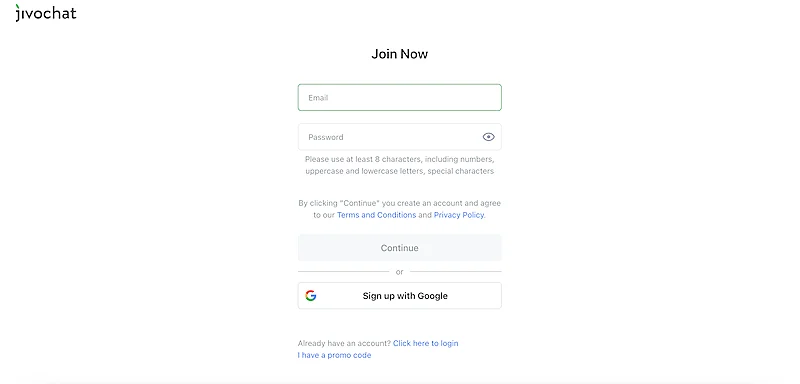 How does live chat work - create an account
Choose a plan that matches your volume. With JivoChat you can start on a free plan and answer both website chat and messengers.
3. Download the Live Chat App
Download a live chat app for desktop and mobile so the team can answer anywhere. From the dashboard you assign chats, check analytics, and open customer profiles.
4. Add the Live Chat to Your Website With a Code
Paste the install code (or use a CMS/ecommerce plugin for Shopify, Wix, WordPress, and similar). Once live, you can receive and reply to messages immediately.
5. Customize and Configure the Live Chat
Set colors, fonts, greetings, offline messages, and triggers. Keep the widget aligned with your brand identity.
6. Centralize Live Chat, Social Media Messages, Emails, and Calls
Integrate the other channels you already use. One inbox reduces missed messages and duplicate replies.
Enjoy Live Chat Features and Start Profiting More
Now that you know how live chat works, put a widget on your highest-traffic pages, staff the inbox for peak hours, and measure first response and conversion. Used well, it strengthens the relationship with your audience and turns more visits into conversations that close.