Running an ecommerce store means handling the same tasks every day. Stock checks, customer questions, order updates, and price changes pile up fast.
AI tools now take care of many of these jobs without human input. According to Elogic's ecommerce report, 89% of retailers have already adopted AI in some form, making it standard infrastructure for modern online stores.
This frees your team to focus on growth, strategy, and customer relationships.
The next sections cover 11 ways AI can take repetitive work off your plate, with tips you can apply today.
AI Chatbots Handle Customer Questions Around the Clock
Live chat tools powered by AI answer common buyer questions in seconds. They cover product details, shipping updates, return policies, and order tracking with no human help.
Platforms like Jivochat let you set up smart chatbots that learn from past conversations and improve over time, so the answers get sharper every week.
Quick wins to try:
- Connect your chatbot to your order management system for real-time status updates
- Build response admin templates for the top 20 most common questions in your store
- Set clear handoff rules so complex cases reach a human agent quickly
- Review chat logs every week to spot new questions and improve your AI answers
- Add multilingual support to serve buyers in their preferred language
Can AI Write Product Descriptions That Sell?
Source: Eesel
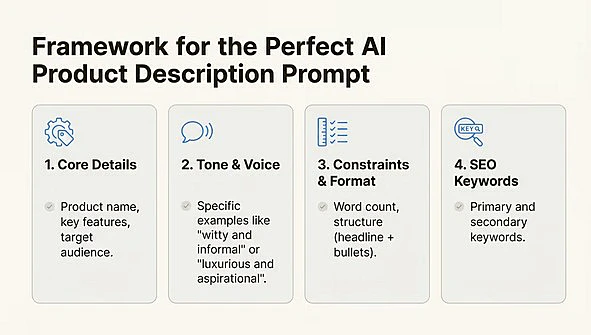
Yes, AI tools produce strong product descriptions in seconds when given clear inputs. Tools like Jasper and Copy.ai pull from product specs, target audience details, and brand voice guides to create copy at scale. A Salesforce State of Marketing report showed that 75% of ecommerce marketers now apply generative AI for content creation tasks.
To get the best output, feed the AI three pieces of input: the product name, three key features, and the customer pain point it solves. Review each draft for tone and accuracy before publishing. Build a brand style guide so the tool keeps your voice consistent across hundreds of listings, and run A/B tests on AI versus human copy to see what converts better.
Inventory Forecasting Runs on Smart Predictive Algorithms
Source: Gartner
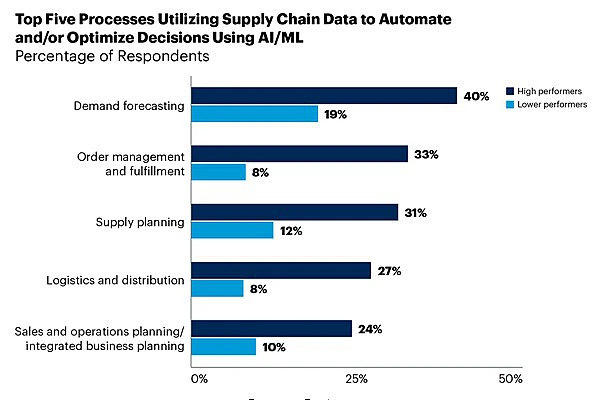
Since retailers have already adopted AI in some form, demand forecasting is a natural next step once the basics are in place. AI predicts demand for each product by analyzing past sales, seasonal patterns, and market trends. This stops you from overstocking slow movers or running out of bestsellers right before a peak shopping season.
How to set this up:
- Feed the AI at least 12 months of historical sales data for accuracy
- Add external signals like weather, holidays, and active marketing campaigns
- Set automatic reorder triggers for your top-selling SKUs
- Run weekly reviews to compare AI forecasts with actual sales numbers
- Adjust forecasts before major sales events like Black Friday or Cyber Monday
Personalized Product Recommendations Lift Average Cart Sizes
Source: SayOneTech
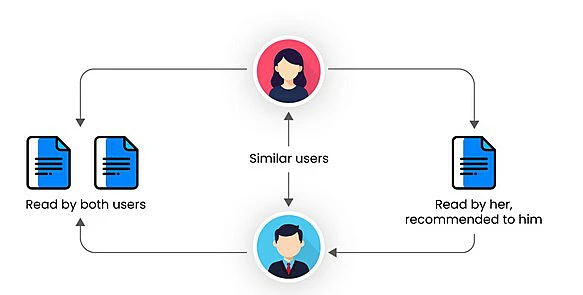
AI recommendation engines study browsing behavior, past purchases, and similar customer profiles to suggest products buyers want next. Amazon credits 35% of its total sales to its recommendation engine, showing the real revenue lift this approach can bring to stores of any size.
Apply this on product pages, cart pages, and post-purchase emails. Test different placement spots to find what drives the biggest gains in average order value. Avoid showing items the customer already owns or has returned recently, and refresh the recommendation model every quarter to keep results sharp as buyer tastes shift.
How Does AI Streamline Email Marketing Tasks?
Source: Mailmunch
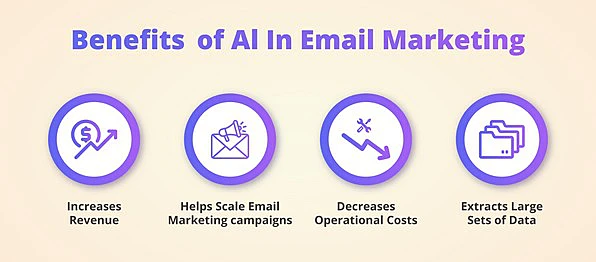
AI handles three big email jobs automatically: writing subject lines, picking send times, and segmenting your list. Tools like Klaviyo and Mailchimp apply machine learning to test variations and pick winners based on open rates, click rates, and revenue per email.
Steps to get started:
- Turn on predictive send-time features in your email platform
- Set up AI-driven subject line testing for every new campaign
- Build segments based on purchase frequency, product category, and engagement score
- Schedule abandoned cart, welcome, and win-back flows once and let the AI optimize them
- Run a monthly performance review to spot top segments and copy patterns
Many stores pair these email flows with SMS for time-sensitive moments with a tool like SMS Country to send cart reminders or restock alerts as a text when an email is likely to go unread.
Order Processing and Fulfillment Made Simple
AI sorts incoming orders, flags issues, routes shipments to the closest warehouse, and updates customers automatically. The table below shows common fulfillment tasks and the time saved per 100 orders processed each day.Connect your store, warehouse, and shipping carrier through a single AI platform to get the full benefit. Most teams see ROI in under three months.
| Task | Manual Time | With AI | Time Saved |
|---|---|---|---|
| Order entry and validation | 3 hours | 15 minutes | 2h 45m |
| Warehouse routing | 2 hours | 5 minutes | 1h 55m |
| Customer status updates | 4 hours | Automated | 4 hours |
| Address verification | 1.5 hours | 2 minutes | 1h 28m |
| Returns label creation | 1 hour | Instant | 1 hour |
CSS opcional para estilizaçã
Dynamic Pricing Reacts to Real-Time Market Shifts
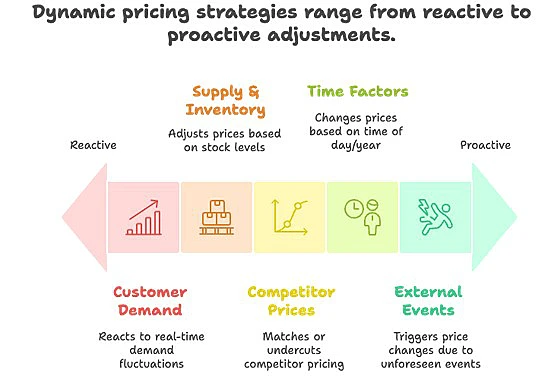
Source: Thunderbit
AI monitors competitor prices, demand levels, and your stock position to adjust prices in real time. This keeps you competitive without manual price audits taking up hours every week.
Set it up the right way:
- Define minimum and maximum price floors for every SKU
- Track 3 to 5 main competitors per product category
- Test small price changes first to measure impact on conversion rate
- Build alerts for sudden competitor price drops on your key items
- Pause dynamic pricing during major brand campaigns to protect margin
Why Does AI Spot Fraud Faster Than Manual Reviews?
AI checks every transaction against thousands of data points in milliseconds, far beyond what a human reviewer can scan in a full day. It looks at device fingerprints, location patterns, purchase history, and behavioral signals at the same time. The result is fewer chargebacks and faster approvals for genuine buyers.
To strengthen your fraud setup, layer AI tools with rules-based filters for high-risk product categories like electronics and luxury goods. Train your model on your own historical fraud cases for better accuracy. Review flagged orders daily to catch false positives early, and track your chargeback rate month over month to measure progress.
Image Recognition Tags and Sorts Product Photos
AI scans product images to add tags, suggest categories, and check quality. This speeds up catalog work that once took hours per batch of new arrivals.
As your photo library grows, storing these tagged assets in a digital asset management system keeps everything searchable and reusable, and you can estimate the payback first with a DAM ROI calculator.
Practical ways to apply image AI:
- Auto-tag colors, patterns, and styles for fashion and home goods
- Detect low-quality or blurry product photos before they go live on your store
- Generate alt text for accessibility and SEO at scale
- Group similar items together to power cross-sell recommendations
- Spot duplicate listings across your catalog and flag them for cleanup
For Shopify stores, Toriut PIM handles the heavy lifting of bulk-matching product images to variants, so your team isn't uploading them one by one.
Returns and Refunds Move Faster With AI
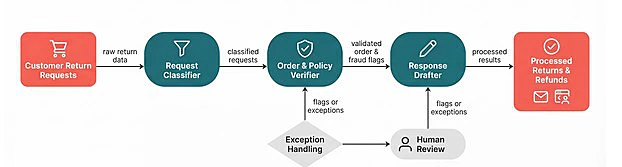
Source: CrewAI
AI reviews return requests, checks them against your policy, approves clear cases on the spot, and routes tricky ones to a human agent. This cuts response time from days to minutes and improves buyer satisfaction during a frustrating moment in the journey.
Pair AI with photo upload tools so customers can show damaged items right in the return form. The AI then matches the image against known defect patterns and approves the refund with no back and forth emails needed. Build a short survey into the flow to learn why each return happened, then use that data to fix product or listing problems at the source.
What Insights Can AI Pull From Customer Reviews?
AI scans hundreds or thousands of reviews to surface patterns about product quality, shipping, packaging, and customer service. Tools like MonkeyLearn and Lexalytics group feedback by topic and sentiment, giving you a clear picture in minutes rather than weeks of manual reading.
Put this to work:
- Run monthly sentiment reports on your top-selling products
- Flag negative trends early so you can fix product issues before they grow
- Pull positive quotes for marketing pages and ad copy
- Spot competitor mentions to learn what shoppers like elsewhere
- Share weekly summaries with your product and support teams for quick action
Building a Leaner Ecommerce Operation With AI
AI gives ecommerce teams a way to cut repetitive work and put attention where it counts: building better products, growing the brand, and creating great customer experiences. Start with one or two areas where your team feels stretched thin, like chat support or product descriptions, then expand from there.
Track results from day one so you can show real time savings and revenue gains. Train your team on each new tool, and review performance every month to spot what works best for your store. Small wins add up fast, and within a quarter you will see clear gains.