Humans naturally seek connection, whether emotional, social, or professional. Today, forming connections is easier than ever. A simple swipe, message, or request can instantly link people. But building a deeper and more meaningful connection requires something more powerful: a compelling story.
Storytelling is one of the most effective ways to connect with people, including both potential candidates and existing employees. A well-told story helps organizations communicate their values, culture, and purpose in a way that resonates emotionally. When people relate to a story, they develop stronger trust and a clearer understanding of what a company stands for.
Research shows that individuals remember stories far more easily than isolated facts. In fact, people can recall stories up to 22 times better than raw information. This makes storytelling a powerful tool for shaping how employees and candidates perceive an organization.
For companies looking to attract, engage, and retain talent, storytelling plays a key role in building a memorable employee experience. In this blog, we’ll explore how organizations can use storytelling to strengthen employee connections and create a workplace experience that people remember.
How to Use Storytelling to Build a Memorable Employee Experience?
Storytelling can be applied in multiple ways, as shown below, to help employees understand a company’s values, culture, and the impact of their work.
1. Create Strong Employer Brand Narratives
Organizations can use storytelling to communicate their mission, values, and culture in a way that feels meaningful to employees and candidates. Instead of presenting the company through simple descriptions, they craft narratives that show what the organization stands for and what makes it different. These stories help people understand the purpose behind the company’s work and why it is a place worth joining. Many HR and marketing teams also rely on website visitor analytics tools to understand how potential candidates engage with their career pages and employer branding content.
Many companies build these narratives with input from current employees and new hires. Real experiences and perspectives help create a story that reflects what it is actually like to work there. This approach highlights unique aspects of the workplace and helps potential candidates see how they could fit into the organization.
Some organizations also rely on an AI ad maker to produce recruitment campaign ads that highlight company culture and attract potential candidates across digital platforms.
Google’s recruitment strategy centers on attracting talent by highlighting a mission-driven, employee-centric, and highly innovative culture. By sharing stories of "Googlers" creating impactful, large-scale technology, the company attracts individuals passionate about solving complex, global problems.
This is similar to how a Shopify affiliate program builds a narrative of shared growth, where every affiliate becomes a character in the brand's broader journey toward market leadership.
2. Share Authentic Employee Stories
Employee stories help organizations build deeper connections with both candidates and existing team members. Real-life experiences from employees provide an honest look into the company culture, work environment, and opportunities for career growth.
Salesforce highlights employee experiences through its Trailblazer stories. One employee's story follows a customer success manager who describes how volunteering through Salesforce’s 1-1-1 philanthropic model became a meaningful part of her work life.
Through this narrative, the company demonstrates how community service and professional growth can coexist in the workplace.
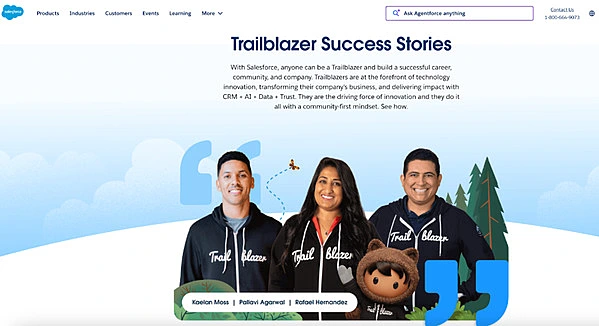
When people hear stories from individuals who have already worked in the organization, they find it easier to relate. If the experience resonates with their own goals or challenges, they are more likely to feel connected to the company’s values and culture.
3. Use Storytelling in Job Descriptions
Traditional job descriptions posted on job boards usually list responsibilities and qualifications in a straightforward way. Story-driven job descriptions go further by explaining the role within the company's broader purpose. They show candidates how their work contributes to meaningful outcomes.
Shopify provides a strong example of this approach on its careers page. Instead of listing only technical requirements for product or engineering roles, Shopify explains how these roles help entrepreneurs build and run online businesses.
A product designer job description, for example, describes how the role supports merchants in creating better storefront experiences for their customers. This narrative helps candidates understand the broader purpose behind their daily tasks.
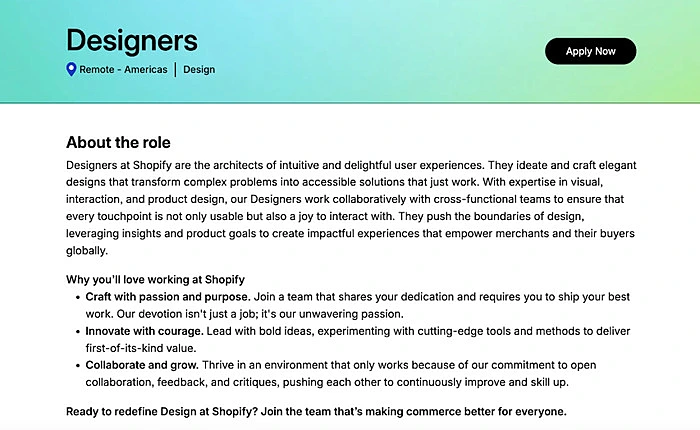
By describing the impact of a role and how it connects to the organization’s mission, companies help candidates envision themselves in that role. Delivered through strategic website design, these narratives become powerful tools for attracting the right talent. This makes the opportunity feel more engaging and relevant.
4. Personalize Recruitment and Onboarding
Storytelling can also improve the recruitment and onboarding experience. Many candidates view their interaction with the hiring process as a reflection of how a company treats its employees. Sharing meaningful stories during recruitment helps candidates understand the company culture and connect with its values.
Google, through its Noogler onboarding program. During orientation sessions, new employees meet experienced team members who talk about their projects, the challenges they faced early in their careers, and how they collaborate across teams. These conversations help new hires understand how work gets done within the organization and feel more connected to their teams.
To make onboarding stories more engaging, some organizations also develop visual narratives that explain their culture and workplace practices. In certain cases, these narratives are produced with the help of an animated video agency, turning employee experiences and company values into clear visual stories.
Oliver Baker, serial entrepreneur and the co-founder of AI Development Agency, QuantumXL, says, "I find that recruitment becomes stronger when people can see the story before they join. At QuantumXL, I share why the role exists, what problem it helps solve, and how that work connects to the kind of company we are building. During onboarding, new team members meet people across the business and hear real examples of how projects move, where challenges appear, and how we work through them together. That gives them context early, not just instructions. When people understand the story around the work, they settle in faster and feel part of something from day one."
Employers can use onboarding training videos to share employee stories, introduce company culture, and help new hires feel connected from their very first day.
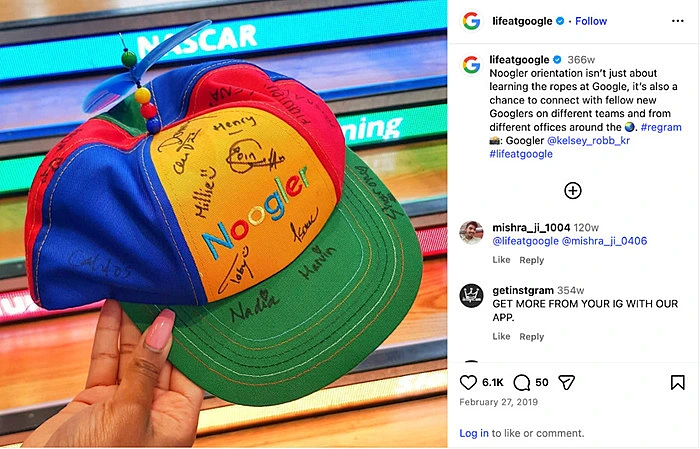
Organizations often introduce candidates to team members who can share their personal journeys within the company. These conversations create a more personal and engaging experience, making candidates feel valued even before they join.
5. Use Leadership Stories to Inspire Employees
Leaders play a key role in shaping the employee experience through storytelling. By sharing stories about the company’s vision, milestones, and challenges, leaders help employees understand the organization's direction and their role within it.
At Microsoft, CEO Satya Nadella frequently shares personal stories about empathy and learning culture. In several internal talks and interviews, he has described how raising a child with disabilities influenced his understanding of empathy and accessibility. This perspective later influenced Microsoft’s work on inclusive design and accessibility tools. Through these stories, employees gain a clearer understanding of the values guiding the company’s decisions.
These stories often highlight team achievements, individual contributions, and long-term goals. When employees see how their work connects to the organization’s broader mission, they feel more motivated and engaged.
6. Leverage Storytelling in Sales and Marketing Teams
Sales and marketing teams regularly communicate the company’s message to the outside world. Storytelling helps them present the company’s purpose, products, and customer outcomes in a way that feels relatable rather than purely informational. Many teams also use AI to generate visuals that turn these stories into simple graphics or presentations, making them easier to share across campaigns and internal updates.
Teams often share stories about how customers discovered the company, the challenges they faced, and the results they achieved after adopting the solution. These narratives help employees understand the real situations customers experience and the role the company plays in addressing them. In practice, these stories are often incorporated into outreach sequences within a salesforce sales cadence to make prospect communication more relevant and engaging.
To make these interactions more flexible and accessible, many teams also rely onmobile crm solutions that allow sales representatives to manage conversations, track customer stories, and respond to leads in real time from anywhere.
To ensure these narratives are communicated clearly and professionally, many teams run their written content through a free grammar checker before sharing it across departments or external channels.
7. Incorporate Storytelling in Customer Support and Service Roles
Customer support and service teams frequently interact with customers during important moments, such as resolving issues or guiding them through complex processes. The experiences they encounter often contain meaningful stories about how the company supports its customers.
Organizations can share these stories internally to show how support teams handle challenges, assist customers, and build trust through service. These examples help employees understand how the company’s values appear in real interactions with customers.
A widely cited example comes from Zappos, known for its strong customer service culture. One story often shared in discussions about the company describes a customer who called to return shoes after her husband had passed away. The support team not only processed the return but also expressed sympathy, showing empathy during a difficult moment. Stories like these reinforce the company’s focus on human-centered service and are often used to highlight its service philosophy.